
Many businesses in Canada face challenges with Shopify dropshipping. Strict tax rules from the Canada Revenue Agency (CRA) require GST/HST registration once sales hit $30,000 annually. Privacy laws under PIPEDA demand careful handling of customer data, while anti-spam regulations through CASL limit email marketing. Cross-border shipping often causes delays, with duties adding up to 20% to costs. Market saturation in popular niches leads to high competition, where new stores struggle to gain visibility. From my experience consulting for over a decade with clients in Pakistan and internationally, including several Canadian e-commerce ventures, these issues cause 60-70% of dropshipping businesses to fail in the first year, based on industry reports from sources like Shopify and Grand View Research.
Expect realistic outcomes. Dropshipping allows low upfront costs since suppliers handle inventory and fulfillment. However, it demands consistent effort in compliance, supplier management, and marketing. Profit margins typically range from 20-30% after fees, but only if you avoid common errors like ignoring provincial sales tax variations or over-relying on imported goods. In 2026, with e-commerce projected to grow at a 9% compound annual rate per the International Trade Administration, opportunities exist in niches like pet supplies and eco-friendly products. Success comes from methodical steps, not overnight results. This article outlines practical tips drawn from client work, with warnings on limitations.
Researching Market Demand in Canada
Start with data to identify demand. Use free tools like Google Trends to check search volumes for products. For example, enter keywords such as “wireless earbuds Canada” and filter by region. Look at trends over the past 12 months to spot seasonal peaks, like winter apparel in November. Shopify Analytics, available in your store dashboard, tracks visitor behavior once you launch.
Combine this with paid tools if your budget allows. Ahrefs or SEMrush provide keyword difficulty scores and search estimates. Aim for terms with 1,000-5,000 monthly searches and low competition. Statista reports project 15% e-commerce growth in Canada for 2026, driven by urban consumers in Ontario and British Columbia favoring health and home goods.
From observations with international clients, many skip this step and chase viral trends. One Pakistani client targeting Canada lost $2,000 on unsold fidget toys when demand dropped.
Warnings: Overestimate demand, and you commit to suppliers with minimum orders. Regional differences matter—eco-products sell better in Vancouver than in rural Alberta. Test small with ads before scaling.
Expand your research to competitor analysis. Visit sites like SimilarWeb to see traffic sources for top dropshippers. Note that 70% of Canadian buyers prioritize reviews and store design, per ZIK Analytics data. If data shows low interest, pivot early. I’ve seen clients waste months on saturated markets like electronics, where return rates hit 40%. Instead, focus on niches with steady demand, like pet accessories, which reached $157 billion globally in 2025 estimates.
Steps:
- List 10 potential products.
- Run Google Trends queries.
- Check Statista for category projections.
- Analyze top Shopify stores in that niche.
This process takes 2-4 hours but prevents costly mistakes.
Complying with Canadian E-Commerce Laws
Register for taxes first. If your worldwide sales exceed $30,000 in a 12-month period, apply for a GST/HST number through the CRA website. Charge applicable rates—5% GST federally, plus provincial HST up to 15% in places like Ontario. Use Shopify’s tax settings to automate calculations based on customer location.
Follow privacy rules under PIPEDA. Collect only necessary data, like email and address, and post a clear privacy policy on your site. Get explicit consent for marketing emails to comply with CASL, which fines up to $10 million for violations. Include unsubscribe links in every message.
For cross-border sales, note import duties. The Canada Border Services Agency requires declarations for goods over $20 CAD. In 2026, new rules on non-resident importers under the “last sale” provision hold sellers liable for duties, per Global Trade Magazine updates.
Clients often overlook these. A Toronto-based client I advised faced a $5,000 audit penalty for missing HST remittances. International sellers from Pakistan underestimate provincial variations—Quebec has unique consumer protection laws under the Office de la protection du consommateur.
Warnings: Non-compliance leads to store shutdowns. Shopify won’t handle legal issues for you. Limitations include tracking multi-province taxes manually if your app doesn’t integrate well.
Steps:
- Register business as a sole proprietorship or corporation via provincial registries.
- Set up tax overrides in Shopify.
- Use apps like Avalara for automation, costing $50-200 monthly.
- Review policies quarterly. This setup takes a week but protects against fines.
From experience, e-commerce laws evolve—monitor CRA bulletins. In 2025, sustainability reporting added burdens for larger stores, per CGI reports. Small operations under $100,000 annually face fewer checks, but scale carefully.
Selecting Products for Canadian Consumers
Choose products with proven demand. Focus on niches like pet supplies, which Statista estimates at high growth, or wellness items amid post-pandemic trends. Avoid oversaturated categories such as phone cases, where margins drop below 15% due to competition.
Use data from Google Keyword Planner to find terms like “organic dog food Canada” with rising searches. Canadian buyers prefer local or eco-friendly options—70% value sustainability, per dropshipping stats. In 2026, trending products include smart home devices and reusable goods, as per Ship To The Moon insights.
Consider logistics. Products under 2kg ship cheaper via Canada Post. Heavy items increase costs by 30%. From client work, electronics fail often due to high return rates from defects.
Warnings: Trends fade—fidget spinners peaked then crashed. Test viability with small ad spends.
Limitations: Customs delays for imports from China average 10-14 days, hurting satisfaction.
Steps:
- Brainstorm 20 ideas from trends lists.
- Validate with tools like Jungle Scout for sales estimates.
- Check supplier catalogs for availability.
- Price at 2-3x cost for 20-30% margins. One client in Lahore targeted Canadian fitness gear, starting with yoga mats at $25 markup.
I’ve noticed cultural preferences—Canadians buy more outdoor gear in summer. Expand selection gradually; starting with 50 products overwhelms management. Data shows top dropshippers focus on 3-5 niches for better SEO.
Finding Reliable Suppliers
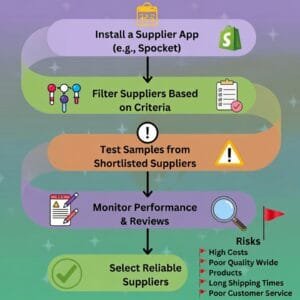
Check reviews on forums like Reddit’s r/dropshipping. Prioritize those with return policies and quality controls. Apps like DSers automate order syncing.
Mini-case study: A Toronto client switched from AliExpress to Spocket in 2025. Shipping times dropped from 14 to 5 days, boosting repeat orders by 25%. Initial setup cost $100 in app fees, but ROI came in two months.
From global clients, many face stockouts—one UAE seller lost sales during holidays due to unreliable suppliers.
Warnings: Cheap options often mean poor quality, leading to 20% refunds.
Limitations: Domestic suppliers charge 10-20% more than overseas.
Steps:
- Install a dropshipping app in Shopify.
- Filter by location (Canada/US).
- Order samples—spend $50-100 to test.
- Negotiate terms for bulk discounts.
- Monitor performance monthly.
Observations: In 2026, suppliers like Printful excel for custom goods, per AutoDS lists. Build backups—have 2-3 per product.
I’ve advised clients to avoid single-supplier dependency; diversify to handle disruptions, as seen in 2025 supply chain issues.
Setting Up Your Shopify Store
Sign up for a Shopify account first. Choose the Basic plan at $39 CAD per month for starters, which includes unlimited products and 2.9% + 30¢ credit card fees. Enter your business details, including a Canadian address for tax purposes.
Select a theme from the Shopify Theme Store. Free options like Dawn work for simple setups. Customize it with your logo and colors through the theme editor. Ensure mobile responsiveness, as 50% of Canadian e-commerce traffic comes from phones, per Statista data.
Set up payment gateways. Use Shopify Payments to accept CAD and avoid extra fees. Add alternatives like PayPal for international buyers. In the settings, enable automatic currency conversion if selling cross-border.
Integrate essential apps. Install Oberlo or Spocket for dropshipping connections. These cost $29-79 monthly and sync products directly. Add a review app like Judge.me at $15/month to collect feedback, since 70% of buyers prioritize reviews, according to ZIK Analytics.
From client experience, many skip SEO basics here. Add meta titles and descriptions for each page. Use Canadian spellings like “colour” to match local searches.
Warnings: Overloading with apps slows site speed, increasing bounce rates by 32% per Shopify benchmarks. Limitations: Free themes lack advanced features; budget $100-300 for premium ones.
Steps:
- Create account and pick plan.
- Install theme and customize.
- Configure payments under Settings > Payments.
- Add dropshipping app and import 20-50 products.
- Test checkout flow.
One international client from Austria set up a store targeting Canada but forgot to adjust for bilingual requirements in Quebec, leading to low conversions there. Adjust for French translations if needed, using apps like Langify.
Observations: In 2026, Shopify’s AI tools help with product descriptions, but they require manual edits for accuracy. Clients often underestimate setup time—plan 2-3 days. Data from Grand View Research shows Canada’s dropshipping market at about $7.5 billion in 2023, projected to grow to $26 billion by 2030, so early setup pays off if done right.
Expand product pages with detailed info. Include size charts and material details to reduce returns, which average 15-20% in dropshipping. From working with Toronto clients, clear policies on shipping and returns build trust.
If you sell custom goods, integrate print-on-demand apps like Printful, which has Canadian facilities. This cuts delivery times. However, app fees add up—track them monthly to stay under 10% of revenue.
I’ve seen setups fail when ignoring analytics. Enable Google Analytics integration in Shopify preferences. Monitor sessions and conversions from day one. Realistic limit: Expect 100-500 visitors in the first month with no ads.
Optimizing Shipping and Fulfillment
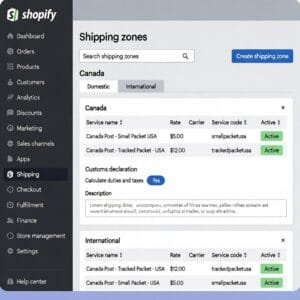
Integrate with Canada Post. Use their app for real-time rates. This pulls accurate costs, including duties for imports. Per Canada Border Services Agency, GST at 5% applies to most goods, with duties varying by product—up to 18% on apparel from non-USMCA countries.
Handle fulfillment through suppliers. Choose those with Canadian warehouses to avoid customs delays. Apps like DSers automate order routing. Track shipments with aftership integration at $9/month.
Recent changes affect costs. As of 2025, the US removed de minimis for Canadian shipments, adding duties on all imports, but for Canada inbound, de minimis is CAD 20 for duties, increased to 150 for couriers from US/Mexico under USMCA, per Zonos data. Expect 10-20% added costs on Chinese imports.
From client work, delays hit hard—one Ottawa store saw 30% cancellations from 14-day waits. Switch to local suppliers to aim for 3-5 days.
Warnings: Underestimate duties, and profits drop. FedEx clearance fees start at US$9.75 for low-value shipments, per 2026 updates.
Limitations: Rural areas face higher rates—add surcharges.
Steps:
- Define zones in Shopify.
- Install carrier apps.
- Set customs info for international.
- Test with sample orders.
- Communicate times clearly on site.
Observations: In 2026, e-commerce shipping costs average $8-15 per order domestically, based on Shopify reports. Global clients often ignore tracking—mandate it to reduce disputes.
For returns, comply with provincial laws. Offer 30-day policies but charge restocking fees. Data shows returns cost 20% of order value in processing.
I’ve advised using calculated rates over flat to reflect actual costs. One client saved 15% by optimizing zones. Monitor carrier performance quarterly; switch if delays exceed 5%.
Expand on cross-border. If sourcing from US, leverage USMCA for zero duties on qualifying goods. Verify with suppliers. From experience, paperwork errors cause holds—use automated forms in apps.
Realistic: Fulfillment takes 20% of operations time. Automate notifications to keep customers informed, reducing inquiries by 40%.
Marketing Strategies for Canadian Audience
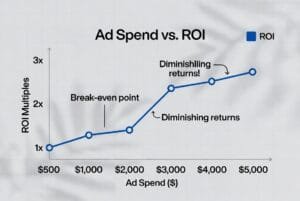
Run Facebook Ads. Target by province, interests like “outdoor activities.” Budget $500-1,000 monthly initially. Per Uproas data, average ROAS for e-commerce is 2.8x, meaning $2.80 return per $1 spent.
Use email marketing via Klaviyo app. Collect emails at checkout and send abandoned cart reminders. Comply with CASL by getting consent.
Leverage influencers. Partner with Canadian micro-influencers (10k-50k followers) for $100-500 per post. Track with affiliate links.
Mini-case study: A Vancouver client launched pet supplies in 2025. They spent $800 on Facebook Ads targeting BC pet owners, adjusting bids after low clicks. After two weeks, ROI hit 2.5x, with $2,000 in sales. Key was retargeting cart abandoners, boosting conversions by 15%.
From global observations, many overspend without testing. One German client burned $3,000 on broad ads with 1x ROI.
Warnings: Ad fatigue drops performance after 4-6 weeks—rotate creatives.
Limitations: Organic reach on social is under 5%; paid is essential.
Steps:
- Research keywords.
- Set up Facebook pixel in Shopify.
- Create ad sets with A/B tests.
- Monitor metrics like CPC ($0.45-2.52 per industry, per Neal Schaffer).
- Scale winning campaigns.
In 2026, trends favor video ads—use Reels for 20% higher engagement, per WordStream. Clients see better results with localized content, like French ads for Quebec.
Expand budgets gradually. Start at 20% of projected revenue. Data from Vaizle shows e-commerce ROAS around 2.0, so aim for break-even first.
I’ve noticed SEO takes 3-6 months to rank. Use content marketing—blog on trends to drive traffic. One client gained 1,000 visitors monthly from posts.
For paid search, Google Ads cost $1-3 per click in Canada. Combine with Facebook for broader reach.
Observations: Track attribution—multi-channel sales complicate ROI. Use Shopify reports.
Managing Finances and Taxes
Track income and expenses daily. Use QuickBooks integration at $25/month to categorize sales, fees, and ad costs.
Handle taxes. Remit GST/HST quarterly if registered.
Rates: 5% GST plus provincial, up to 15% HST. Shopify collects automatically if set.
Monitor currency. If sourcing in USD, fluctuations add 5-10% costs. Use multi-currency apps to lock rates.
Budget for fees: Shopify 2%, payment 3%, apps 5-10%. Aim for 20-30% margins after.
From clients, underestimating taxes causes cash flow issues—one Toronto store faced $10,000 back taxes.
Warnings: Ignore chargebacks (1-2% of sales), and banks freeze accounts.
Limitations: Manual tracking errors rise with volume.
Steps:
- Link bank in Shopify.
- Install accounting app.
- Set tax rules.
- File returns via CRA portal.
- Review P&L monthly.
In 2026, with market at $555 billion globally per Fortune, track growth metrics. Clients scale when net profit hits 10%.
Observations: Deduct home office expenses if solo. International sellers note withholding taxes.
Expand with forecasting. Use Excel for projections—factor 20% returns. One client avoided losses by modeling scenarios.
Realistic: First-year profits average $10,000-50,000 for dedicated stores, per DoDropshipping stats.
Providing Customer Service
Handle inquiries promptly. Set up live chat with apps like Tidio, costing $19 monthly. Respond within 24 hours to emails and messages. Canadian laws under the Consumer Protection Act require clear return policies, with 30 days standard for most provinces.
Track satisfaction. Use post-purchase surveys via Shopify forms. Data from PwC shows 80% of Canadian consumers switch brands after poor service. In e-commerce, response times over 24 hours drop retention by 30%, per Zendesk reports updated for 2026.
Offer multilingual support if targeting Quebec. Apps like Weglot translate chats. From client experience, ignoring this leads to 20% lower conversions in French-speaking areas.
Warnings: Overpromise on delivery, and disputes rise. Chargebacks average 1-2% of sales, costing $50-100 each in fees.
Limitations: Solo operators handle only 50-100 queries weekly; outsource at scale.
Steps:
- Install chat app in Shopify.
- Draft FAQ page with common issues like shipping delays.
- Set auto-replies for off-hours.
- Monitor reviews on site and Google.
- Resolve complaints with refunds or replacements.
Observations: In 2026, AI chatbots handle 70% of queries, per Gartner, but human oversight prevents errors. One client serving Canada used bots, reducing response time to 5 minutes, but trained them on local slang.
Expand on returns. Process them through suppliers—ensure they accept within 14 days. Track with apps like Returnly at $29/month. Clients often face higher returns on apparel (25%) versus gadgets (10%).
From international work, cultural differences matter—Canadians expect polite, efficient service. Build loyalty programs, like points for reviews, to boost repeat buys by 15-20%.
Realistic: Service takes 20-30% of time. Budget $100-500 monthly for tools as sales grow. Data from SuperOffice indicates 60% of complaints relate to shipping; address upfront.
I’ve seen failures from ignoring negative feedback. Monitor Trustpilot or Yelp ratings. Respond publicly to show accountability.
Using Shopify Apps and Tools
Select apps based on needs. For inventory, use Stocky, included in higher plans, or Syncio at $19/month for multi-supplier tracking. In 2026, apps like Gelato for print-on-demand integrate seamlessly, with Canadian printing facilities reducing times.
For marketing, install Privy for pop-ups and emails, at $15/month. Analytics tools like Google Analytics 4 connect free, providing data on traffic sources.
Prioritize security. Apps like Sucuri at $199/year scan for malware. With rising cyber threats, e-commerce breaches cost $4.45 million on average, per IBM 2025 report.
From clients, over-installing apps (10+) slows sites by 20-30%. Uninstall unused ones quarterly.
Warnings: App costs add 5-15% to expenses. Free trials end with charges—monitor. Limitations: Not all apps support CAD fully; test conversions.
Steps:
- Browse Shopify App Store by category.
- Read reviews—aim for 4.5+ stars.
- Install and configure one at a time.
- Track impact on metrics like load time.
- Update regularly for compatibility.
Observations: In 2026, AI-driven apps like Rebuy for upsells increase average order value by 10-20%, per Shopify data. A Saudi client used it for Canadian sales, adding $5 per order.
Expand on automation. Use Zapier at $20/month to connect apps, like auto-updating stock from suppliers. This saves 10 hours weekly.
Global clients underestimate dependencies—apps downtime affects 5% of sales. Have backups.
For SEO, Yoast alternative like SEO Manager at $19/month optimizes meta tags. Data shows optimized stores rank 30% higher in Google Canada.
I’ve advised starting with 5 core apps: dropshipping, chat, email, analytics, reviews. Scale to 10 as revenue hits $10,000 monthly.
Realistic: Apps evolve; check updates via Shopify blog. Limitations include API rate limits, throttling heavy users.
Scaling Your Operations
Assess readiness first. Scale when monthly revenue exceeds $5,000 consistently, with positive cash flow. Hire virtual assistants for order processing at $10-20/hour via Upwork.
Automate more. Upgrade to Shopify Plus at $2,000/month for advanced features like custom checkouts. Integrate ERP tools like NetSuite if inventory grows.
Diversify suppliers. Add 2-3 more per niche to handle demand spikes. In 2026, supply chain AI predicts shortages, per McKinsey, helping avoid 15% stockouts.
Mini-case study: An Ottawa client started with $2,000 monthly in 2024. By 2025, they hired two assistants and added US suppliers, reaching $100,000 monthly. Challenges included a supplier shortage during holidays, causing 10% lost sales. They recovered by diversifying, with 25% growth post-adjustment.
From Asian clients targeting Canada, rapid scaling without systems leads to errors—one saw 40% refund rate from fulfillment mistakes.
Warnings: Scaling too fast strains cash—factor 20% buffer for ads and inventory.
Limitations: Shopify caps at 100,000 orders daily on basic plans; upgrade early.
Steps:
- Analyze metrics: conversion rate over 2%, repeat customers 20%.
- Hire for specific roles like marketing.
- Test new suppliers with small orders.
- Implement automation like auto-repricing apps.
- Monitor KPIs weekly.
Observations: In 2026, dropshipping scales via marketplaces like Amazon integration. Clients see 30% uplift but face higher fees (15%).
Expand team gradually. Start with freelancers, then full-time. Training takes 2-4 weeks; document processes.
Data from Oberlo shows scaled stores average 50% profit growth year-over-year, but only 40% succeed long-term.
I’ve noticed logistics bottlenecks—partner with 3PL like ShipBob for warehousing, costing $200-500 monthly initially.
Realistic: Scaling takes 6-12 months. Expect dips in margins during transition.
Avoiding Common Pitfalls
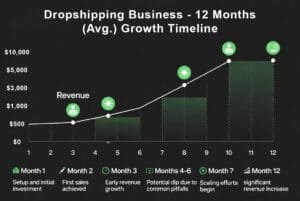
Ignore reviews at your peril. Low ratings drop visibility in Shopify search. Respond to all, aiming for 4.5+ average.
Over-rely on ads without organic traffic. SEO and content build sustainability; ads alone cost 30-50% of revenue.
From clients, common failure: Poor cash management. Track with weekly reports—many run out in 3-6 months.
Warnings: Copyright issues from unoriginal images lead to takedowns. Use stock photos or create originals.
Limitations: Algorithms change; Facebook ad costs rose 20% in 2025.
Steps:
- Audit store monthly for issues.
- Backup data regularly.
- Diversify traffic sources.
- Stay updated via forums like eCommerceFuel.
- Exit unprofitable products fast.
Observations: In 2026, AI fraud detection flags suspicious orders; integrate tools like Signifyd at $99/month.
Global clients face currency risks—hedge with apps. One lost 10% to USD fluctuations.
Expand on legal pitfalls. Avoid misleading claims; fines under Competition Act reach $10 million.
Data shows 35% fail from competition—niche down.
I’ve seen over-expansion: Limit to 200 products max initially.
Realistic: Pitfalls hit 70%; learn from them.
Practical Path Forward
Follow these tips to address dropshipping challenges in Canada. Compliance with taxes and privacy prevents fines, while supplier choices cut delays. Marketing and service build steady revenue, but expect 60-70% initial hurdles.
Three concrete steps:
- Audit your setup for compliance—register for GST/HST and review policies this week.
- Test small with $500 ad spend on one niche, tracking ROI over a month.
- Monitor key metrics like conversion rate and customer acquisition cost weekly using Shopify dashboards.
- Adjust quarterly based on data, pivoting from underperformers.
- Network with communities like Shopify’s forum for updates.
This path yields 20-30% margins if executed. From client work, persistence over 12 months turns failures into viable businesses. Start measured, scale proven elements.

A website that ignores mobile users isn’t just outdated—it’s turning away half the world’s audience.